Different Types of Rangoli Materials & What Makes Each Special
Rangoli has always held a special place in Indian homes. Whether it’s Diwali, Pongal, Navratri, or a simple family celebration, this colourful art form adds charm, positivity, and cultural warmth. What makes rangoli truly magical is not just the design but the material used to create it. Different materials bring their own textures, colours, vibes, and ease of use—making each one uniquely special. In this blog, we explore the different types of rangoli materials, what makes them stand out, and how you can choose the right one for your festive décor.
1. Coloured Powder Rangoli – The Classic Favourite
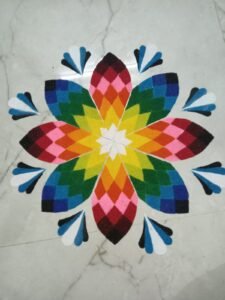
Coloured powders are the most widely used material for rangoli. Traditionally made from natural ingredients like rice flour, turmeric, vermilion, and flower extracts, today’s powders come in vibrant synthetic shades as well. Powder rangoli is loved because it allows smooth blending, detailed patterns, and attractive shading. The fine texture makes it easy to spread and gives designs a soft, visually rich finish.
What makes it special:
-
Offers maximum colour variety
-
Perfect for intricate and large designs
-
Blends beautifully for gradient effects
-
Ideal for doorways, floors, and courtyards
If you love the traditional look with bright, eye-catching colours, powder rangoli is your best pick.
2. Flower Petal Rangoli – Natural, Fresh & Fragrant
Flower petal rangoli—also known as Pookalam in Kerala—brings freshness and an aesthetic charm no other material can match. Marigolds, roses, chrysanthemums, lotus petals, and leaves are commonly used. The mix of textures and colours gives the design a vibrant, festive feel with a calming natural aroma.
What makes it special:
-
100% eco-friendly and biodegradable
-
Adds fragrance and natural beauty to the space
-
Perfect for puja rooms, weddings, and Onam celebrations
-
Great for circular and mandala-style designs
Flower rangolis are especially gorgeous for events where elegance and tradition come together.
3. Acrylic Rangoli – Reusable & Beginner-Friendly
Acrylic rangolis are pre-designed, ready-made pieces usually crafted with acrylic sheets, colourful stones, beads, and mirrors. They’re perfect for people who love rangoli vibes but don’t have the time or skill to create hand-drawn designs. They can be placed at the entrance, near idols, or as centrepieces during festivals.
What makes it special:
-
Reusable for years, making it cost-effective
-
Super easy to place and remove
-
Available in intricate designs, colours, and patterns
-
No mess, no cleanup
For modern homes and busy festive schedules, acrylic rangolis are a total lifesaver.
4. Sticker Rangoli – Zero Effort, Maximum Beauty
Sticker rangolis are peel-and-stick designs made from vinyl or plastic. They look surprisingly real and come in a wide range of prints—from mandalas to diya patterns. These are perfect for smooth surfaces and ideal for people who want a neat, uniform look without spending time creating the design.
What makes it special:
-
Takes less than a minute to set up
-
No skill required
-
Looks clean, sharp, and vibrant
-
Great for last-minute décor
If you’re hosting guests on short notice, sticker rangolis save the day instantly.
5. Rangoli Stencils – Perfect for Beginners
Rangoli stencils are plastic or metal sheets cut into decorative patterns. You just place them on the floor and sprinkle powder over them. Lift the stencil—and bam!—your design is ready. Stencils help beginners achieve clean, symmetrical patterns without the fear of ruining the design.
What makes it special:
-
Great for powder rangoli lovers
-
Ensures perfect shapes and symmetry
-
Many designs available: peacocks, flowers, mandalas
-
Saves time and reduces wastage
If you want to practice rangoli without stress, stencils make the journey fun.
6. Rice Flour Rangoli – Simple & Sacred
Rice flour rangoli, commonly used in South India, is deeply symbolic. In Kolam traditions, rice flour designs are drawn at the entrance to feed ants and small birds, symbolising harmony with nature. The white powder gives a minimal, pure look and is used for geometric patterns, lines, and dots.
What makes it special:
-
Eco-friendly and culturally significant
-
Represents prosperity and purity
-
Perfect for daily rituals and puja traditions
-
Great for fine, line-based designs
Rice flour rangoli brings charm and positivity to everyday life.
7. Stone & Bead Rangoli – Glamorous & Artistic
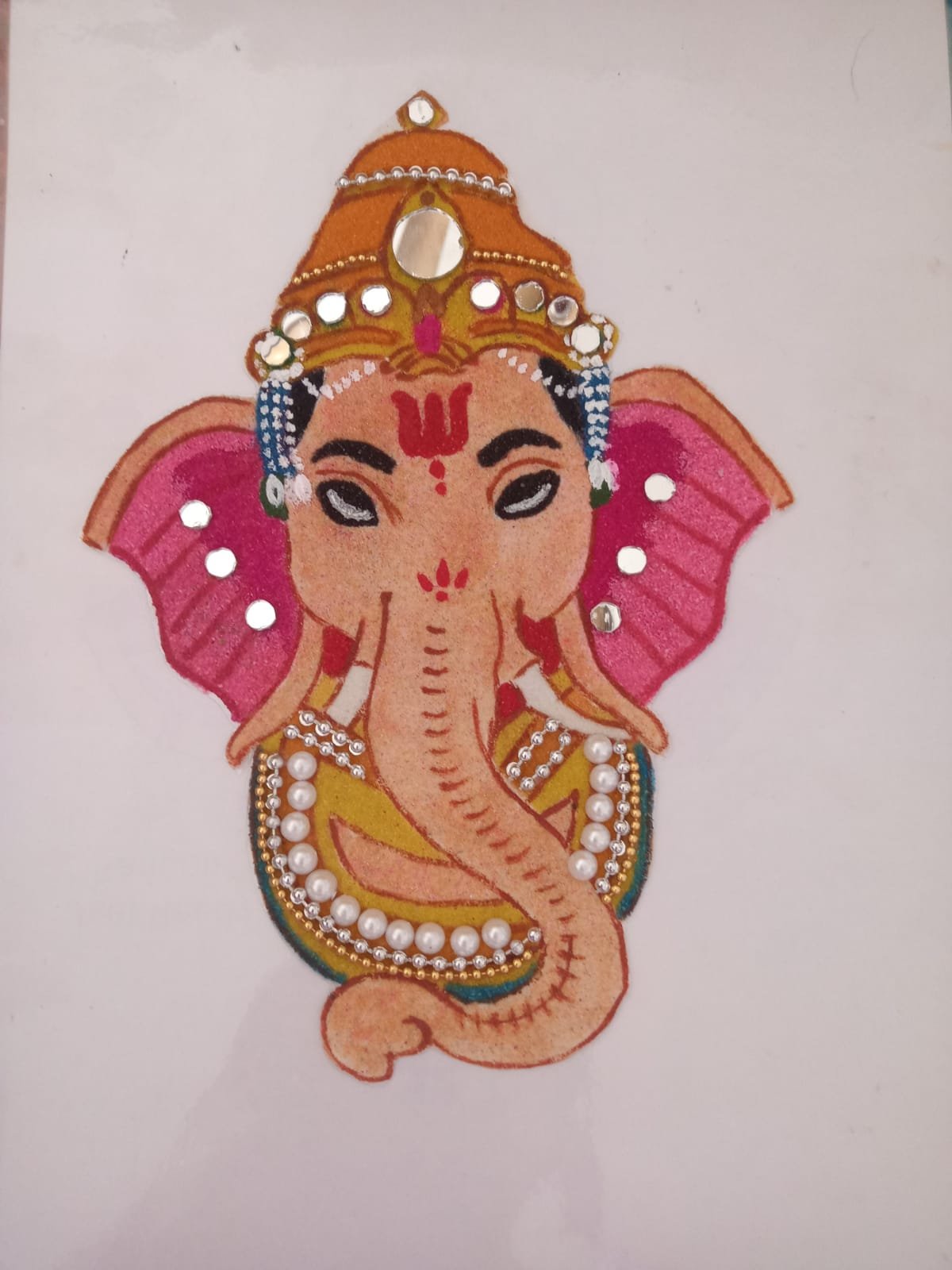
Stone and bead rangolis are decorative pieces crafted with colourful gems, mirrors, pearls, and kundan elements. These rangolis sparkle under lights and add a luxurious appeal to any festive setup. They’re also reusable and durable.
What makes it special:
-
Adds glamour and elegance to décor
-
Long-lasting and easy to store
-
Great for festive home entrances or wedding décor
-
Gives a 3D, textured look
If you love a little shimmer in your home décor, this is the perfect pick.
Conclusion
Rangoli is more than just decoration—it’s a celebration of colour, culture, and creativity. Whether you prefer the classic charm of coloured powders, the natural beauty of flowers, or the convenience of ready-made acrylic and sticker rangolis, each material brings its own magic to your home. Understanding the different types of rangoli materials helps you choose the right style based on the occasion, your skill level, and the overall look you want.
Whichever material you choose, create your rangoli with love—that’s what makes it truly special.